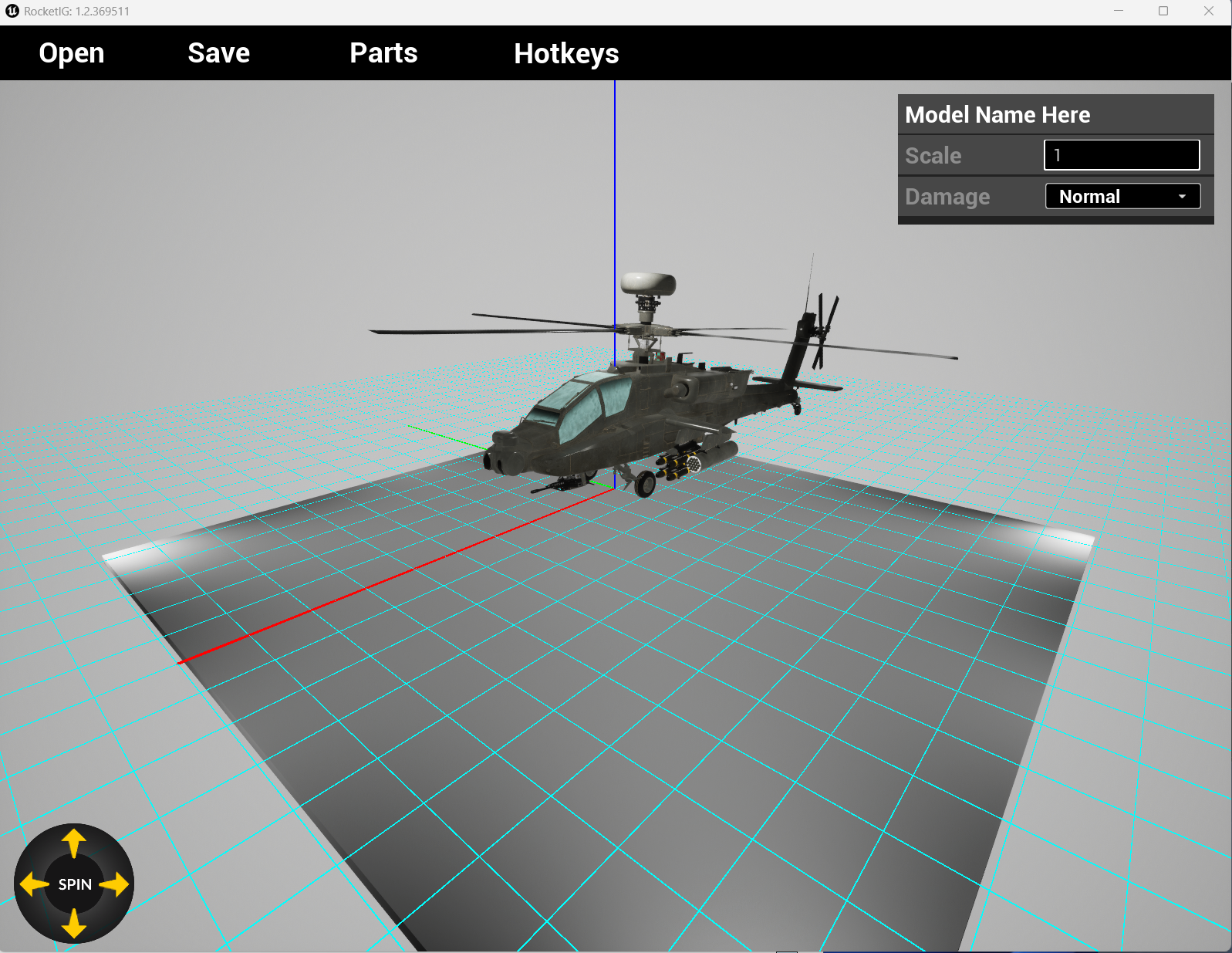
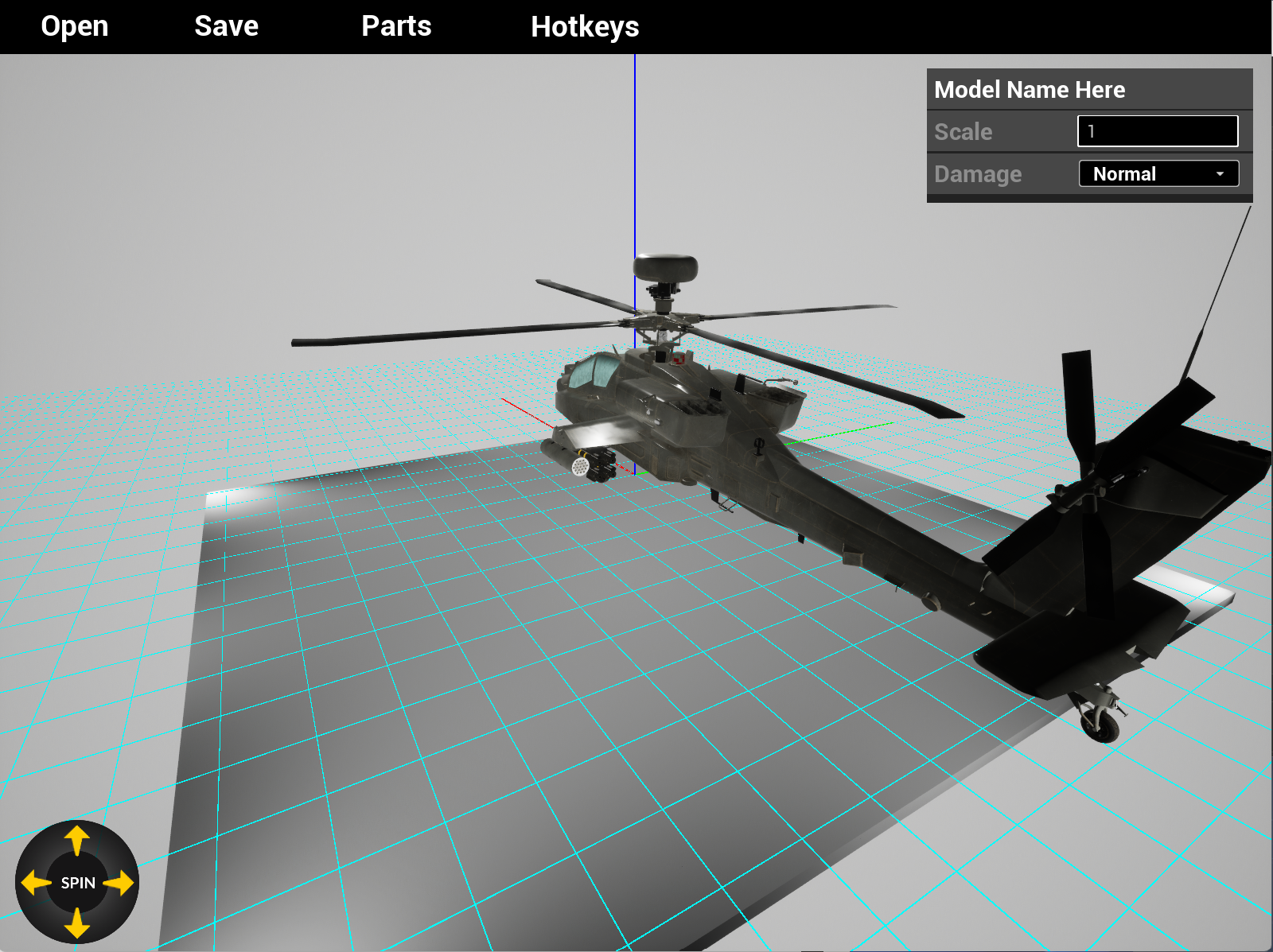
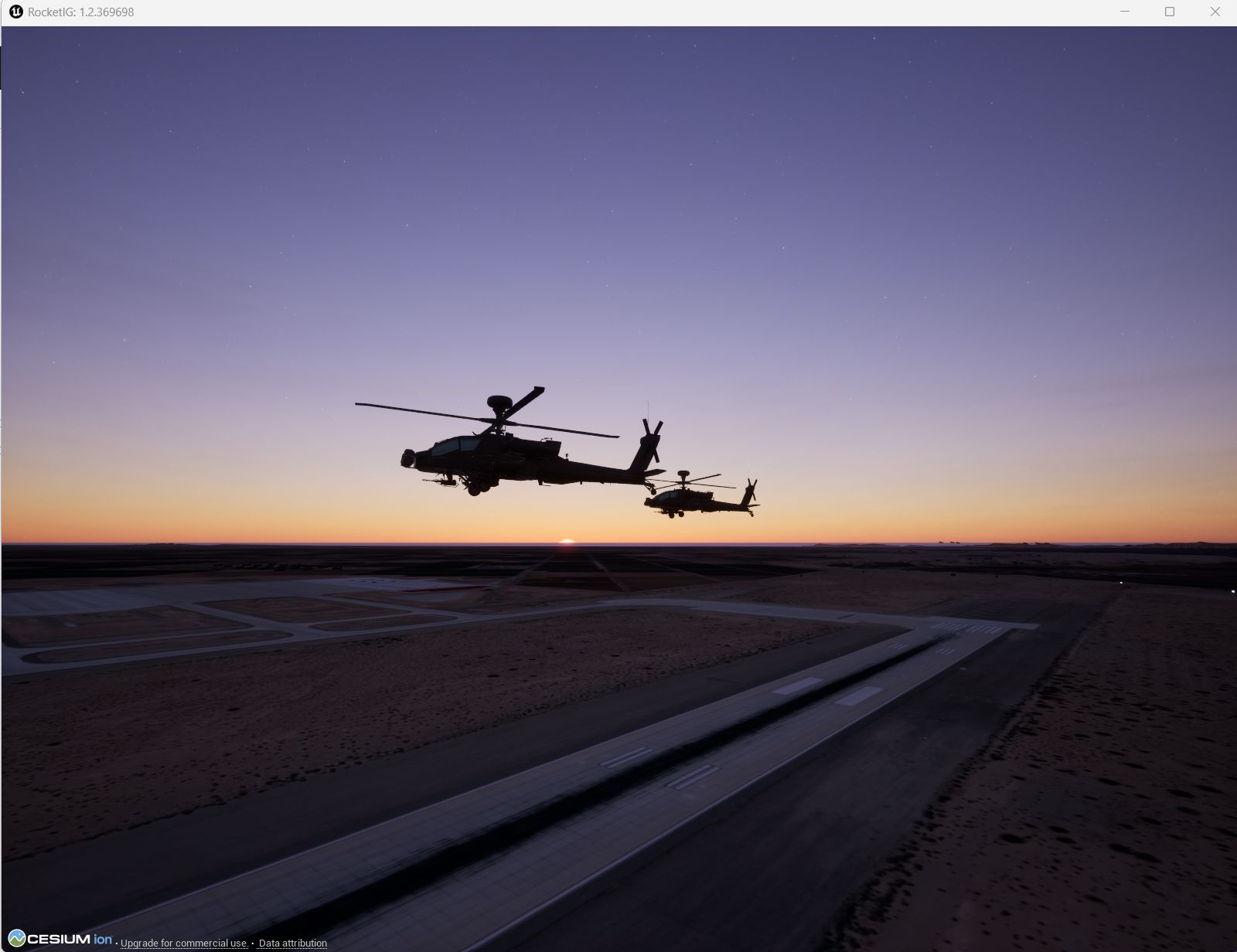
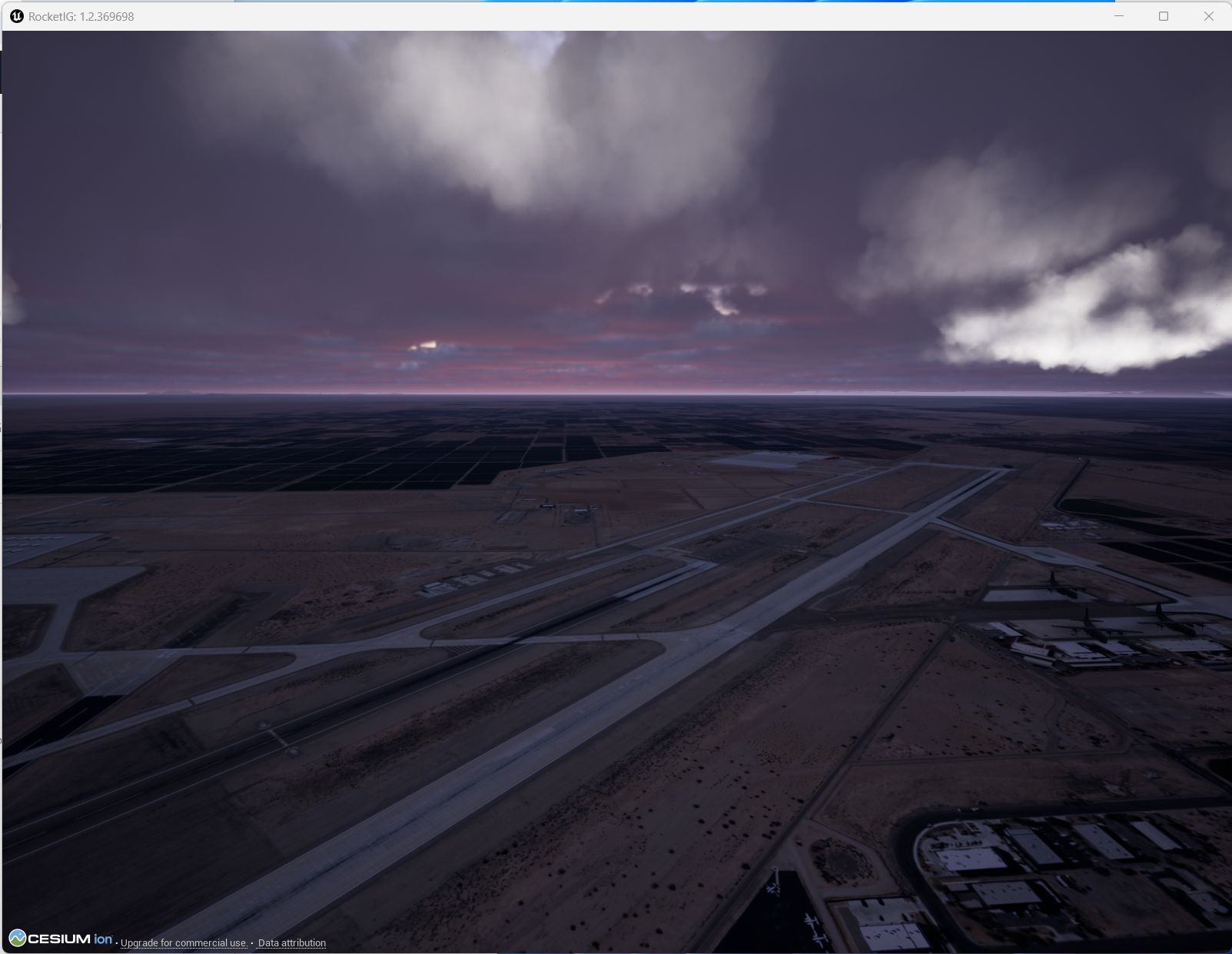
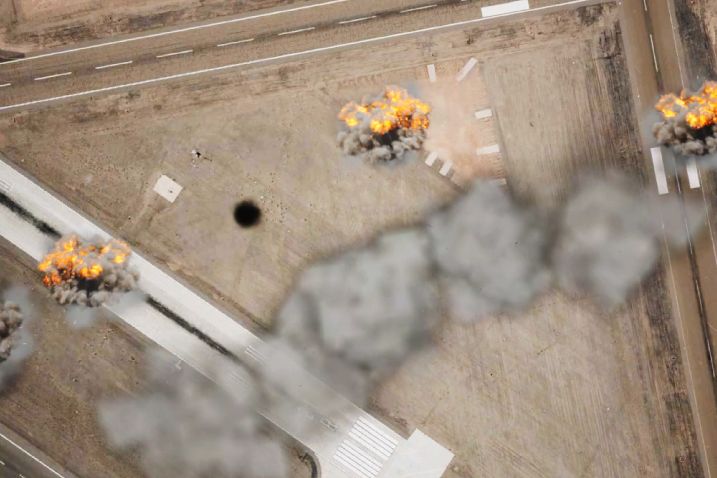
RocketIG is a real-time image generation platform used to create training scenarios for Army simulations. Environments, models, and weather all run at runtime, and multiple sensor profiles can be evaluated on the fly (including drone-camera use cases). My focus was making the system both believable and practical: connecting data (emissivity/temperature metadata, asset descriptors) to rendering and sensor behavior; exposing the right controls for artists/QA; and maintaining performance and reliability under tight frame-time budgets. The Model Viewer is an internal UE5/C++ tool designed to shorten the feedback loop for 3D assets. It loads models at runtime and gives artists/QA direct controls to isolate parts/sub-meshes, inspect metadata, run/scrub animations, and capture reference shots. By moving validation into a single, purpose-built tool, the art team can test more often with less back-and-forth, catching rigging/material/LOD issues before they land in the main build.
RocketIG
Working in Unreal Engine 5 / C++, I contributed features that make RocketIG usable day-to-day by content creators and testers. I helped implement a sensor kit that lets users switch and tune camera/sensor profiles at runtime, validating image behavior under different operating modes without restarting the application. I added hooks for runtime weather so lighting and visibility respond to changing conditions, and I integrated emissivity and temperature metadata so materials and sensors react more realistically in simulation.
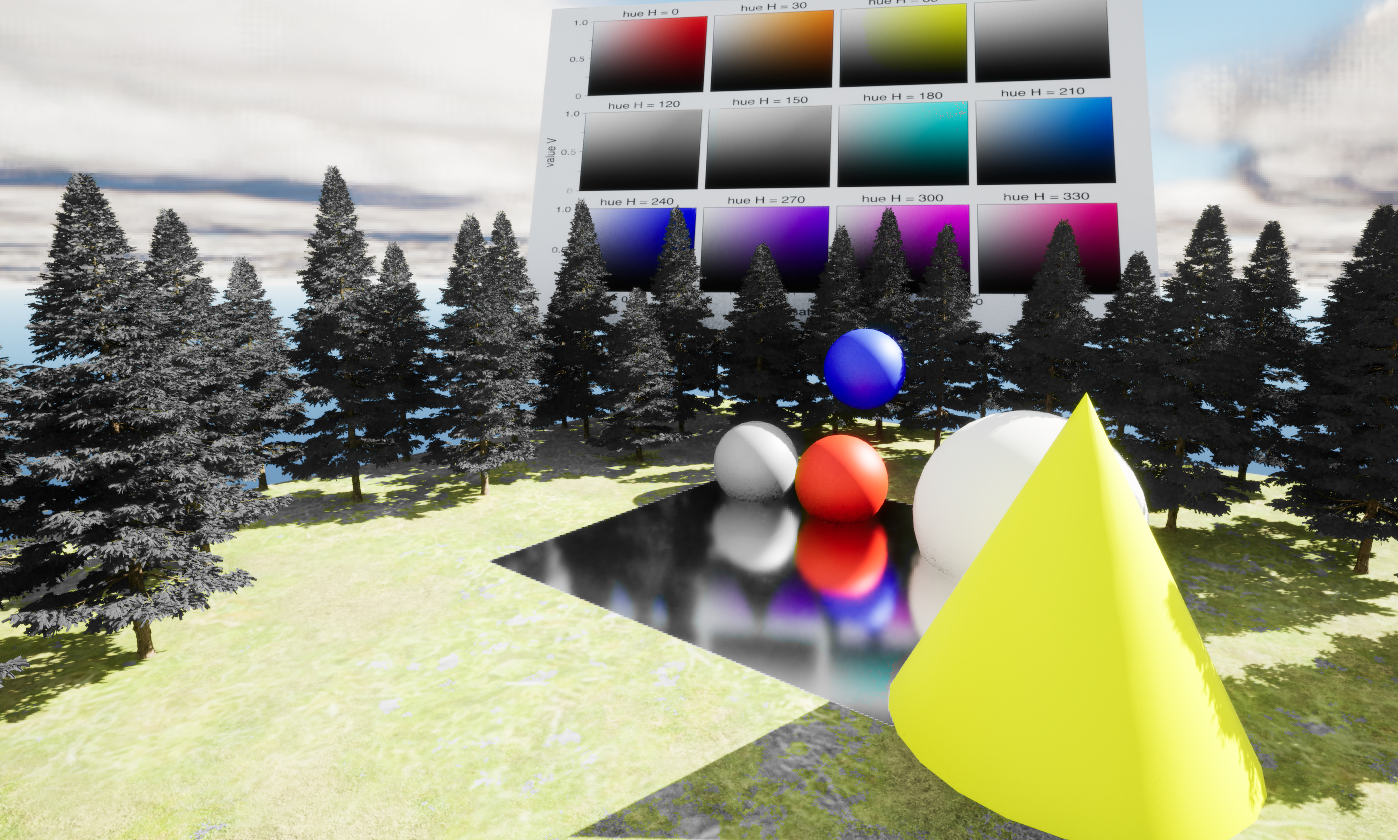
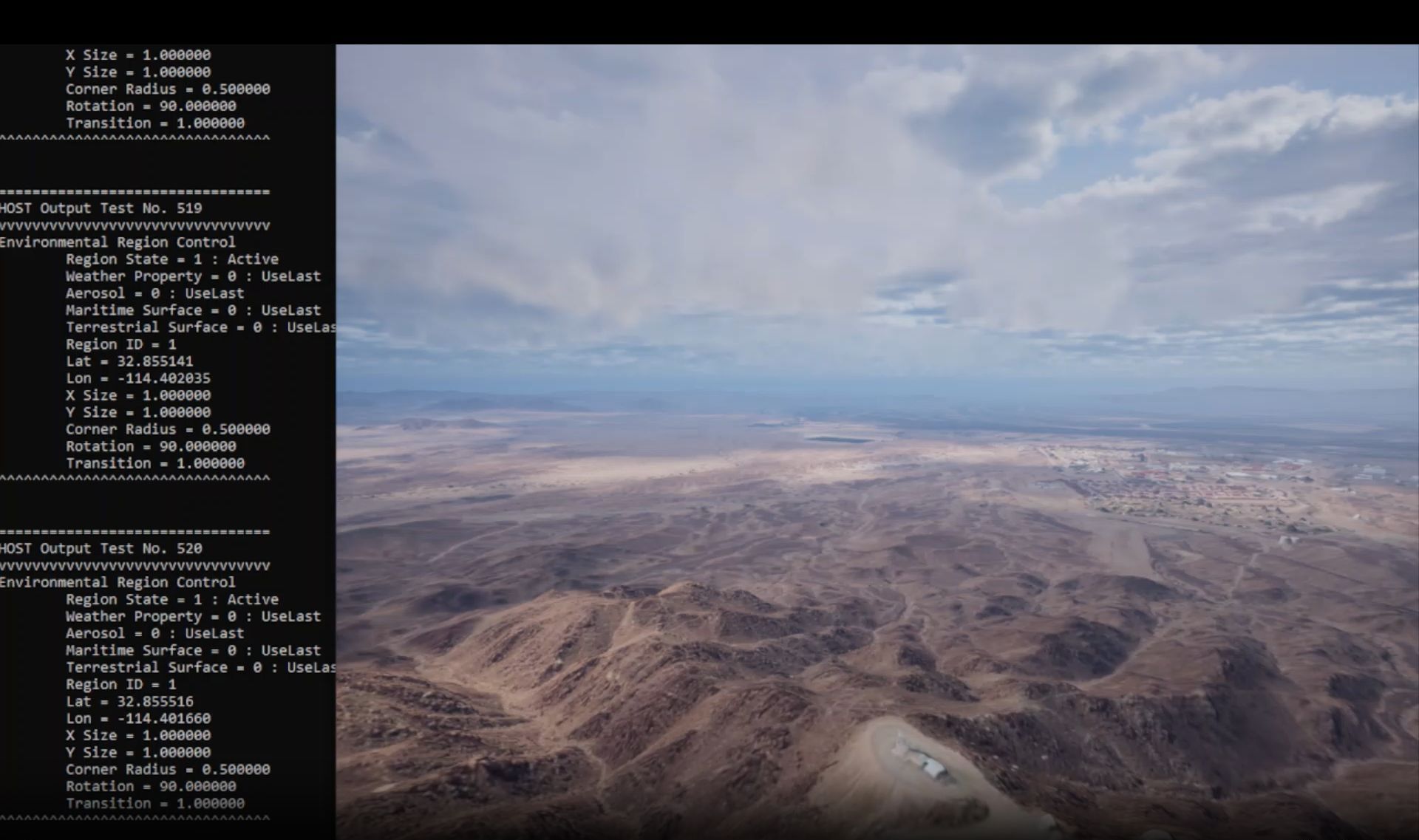
On the pipeline side, I leaned on data-driven design: ingesting asset metadata (FBX/JSON) at load time to minimize manual configuration and reduce setup errors. I built UI/UX surfaces in UMG where they helped teams move faster, and I relied on Unreal Insights and in-editor stat tools to profile only where it mattered (tick cost, allocations, material complexity). Throughout, I partnered with artists, QA, and engineers to keep builds stable—clear repro steps, quick verify cycles, and thoughtful guardrails (import/validation checks) so problematic content is caught early. The result is a generator that supports rapid, repeatable testing while staying performant and production-friendly.
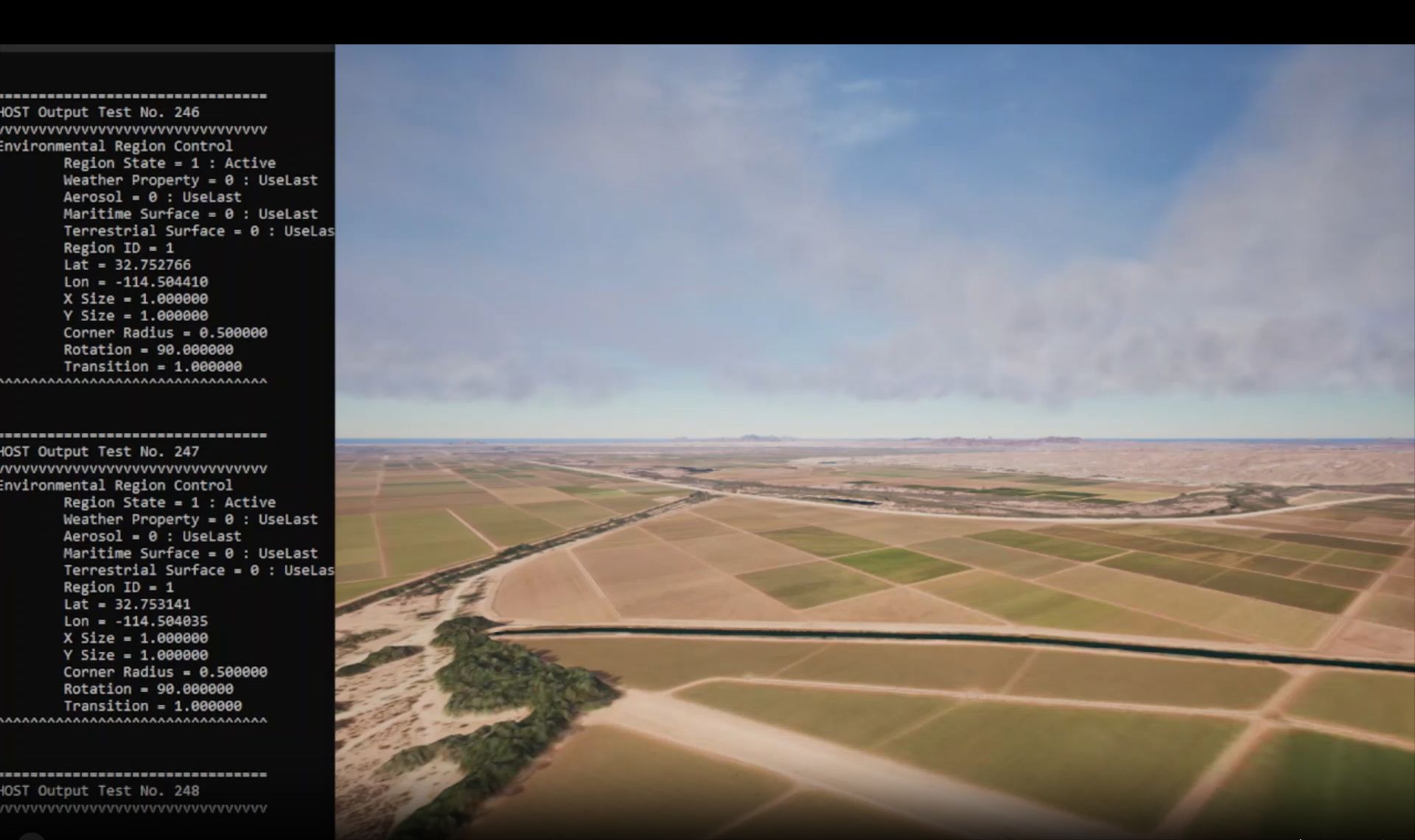
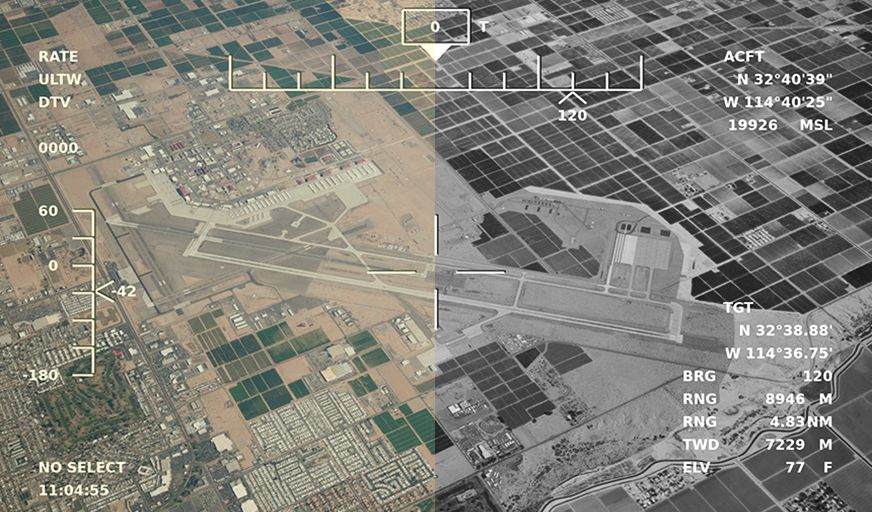
Model Viewer — Runtime Asset Validation Tool
I designed and implemented the viewer around three goals: speed, accuracy, and extensibility. Speed comes from runtime loading and a clean UI that surfaces the checks teams run every day: selecting individual components, toggling LODs/bounds, viewing sockets/material slots, and playing animations to verify deformation and state changes. Accuracy comes from metadata-aware behaviors—reading FBX/JSON data at load to pre-configure the session (naming conventions, rig expectations, required sockets) and flag mismatches immediately. Extensibility comes from a modular C++/UMG architecture and batch/CLI hooks (for scripted screenshots or validation passes) so the tool can evolve without heavy refactors.
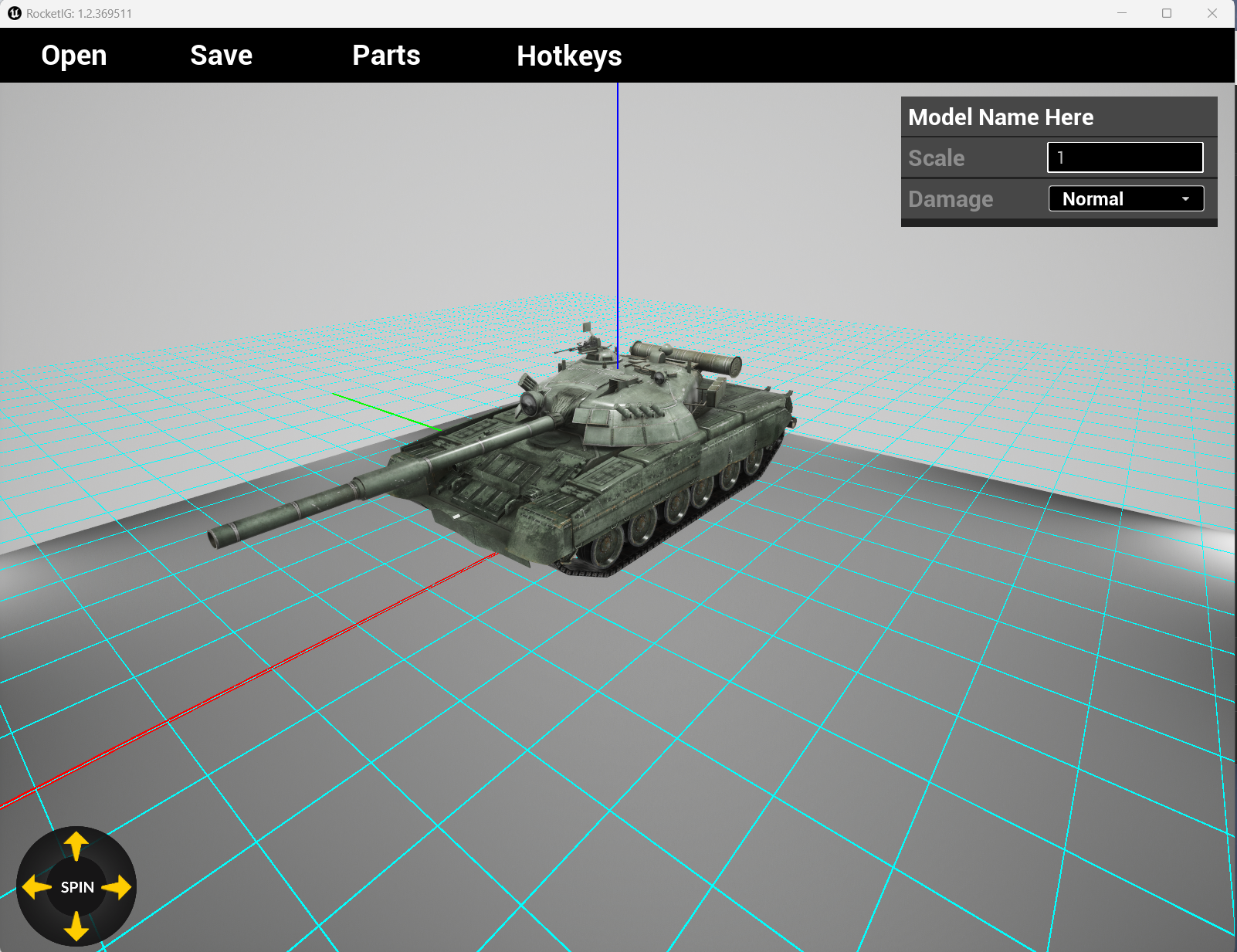

Under the hood, the viewer applies the same discipline as production code: deterministic state, minimal per-frame work, and careful use of editor utilities so tests are reproducible. I paired closely with artists/QA to prioritize the features that actually save time, and I profiled interaction flows to remove friction (no unnecessary reimports, no menu spelunking for common checks). In practice, this replaced a multi-step manual process with a single place to load, inspect, and sign off on assets—making content review faster, clearer, and less error-prone.